fundamental boating gear every novice should invest in
As a novice boater, the thrill of exploring the open waters can be both exhilarating and daunting. To ensure a smooth sailing experience, investing in the right boating gear is essential. In 2026, with advancements in technology and safety standards, it is easier than ever to equip yourself properly. This guide covers the fundamental gear every beginner should consider for a safe and enjoyable journey on the water.
Personal Flotation Devices
First and foremost, every boater must invest in high-quality personal flotation devices (PFDs). Life jackets are not only a legal requirement but are also crucial for safety. When choosing a PFD, ensure that it is the right size and type for you and any passengers. Look for options that are comfortable, lightweight, and equipped with reflective materials for increased visibility. Remember to check the manufacturer's guidelines and the buoyancy rating to ensure they meet safety regulations.
Marine First Aid Kit
A well-stocked marine first aid kit is another essential investment for novice boaters. Accidents can happen, and having the right supplies on hand can make all the difference. Your first aid kit should include adhesive bandages, antiseptic wipes, gauze pads, tweezers, and any personal medications. Additionally, consider adding a digital thermometer and a first aid manual specifically tailored for boating emergencies. Regularly check and replenish the kit to ensure it remains fully stocked.
People Also Look For:
- 4pcs 6cm Circular PVC D Ring Patches Ideal for Inflatable For Kayaks, Dinghies and SUPs Strengthen Gear Security and Easy Applicat...
- Retevis RM01 VHF Marine Radio, VHF Handheld Radio, Floating Vibration 88 Channels, IP67 Walkie Talkie Waterproof, Ship to Shore Ra...
- Ayaport Ratchet Straps Tie Downs 2.4M x 25mm Endless Heavy Duty Cargo Straps Nylon Black Ratcheting Strap (No Hook), Tie-Down for ...
- Nuts 'n' Bolts Guides: Solo Canoeing on Quiet Waters
- Inflatable life ja-cket For Adults, Automatic Inflation Life Vest For Swimming, Paddle Vest Automatic Inflating Nylon Snorkeling J...
Navigation Tools
Understanding your surroundings on the water is critical for safety. Investing in reliable navigation tools is a must for any novice boater. A compass is fundamental, even in the age of GPS technology. It serves as a reliable backup should electronic devices fail. A marine GPS unit can also be a valuable addition, providing real-time positioning and route planning features. For those who prefer traditional methods, a detailed nautical chart of the area you plan to explore can enhance your navigation skills.
Boat Safety Equipment
Beyond personal flotation devices, a range of safety equipment is necessary for safe boating. This includes a fire extinguisher, a sound signaling device, and a throw line. The fire extinguisher should be rated for marine use and inspected regularly. A sound signaling device, such as a whistle or horn, is crucial for alerting others to your presence. A throw line can prove invaluable in case someone falls overboard. Familiarise yourself with how to use each piece of safety equipment before heading out on the water.
Dock Lines and Fenders
When it comes to mooring your boat, having the right dock lines and fenders is vital. Dock lines should be strong and durable, capable of withstanding the weight of your boat and the forces of the water. Look for lines that are at least three times the length of your boat. Fenders protect both your boat and the dock from damage during docking. Ensure you have enough fenders to accommodate different mooring situations, and consider adjustable fender heights for various dock conditions.
Cooler and Storage Solutions
Comfort on the water is essential, and having a cooler for food and drinks can significantly enhance your experience. Look for a marine cooler that is sturdy, insulated, and easy to carry. Additionally, effective storage solutions will help keep your gear organised and secure. Waterproof bags and containers can protect your belongings from splashes and the elements, ensuring everything remains dry and accessible during your trip.
Appropriate Clothing and Footwear
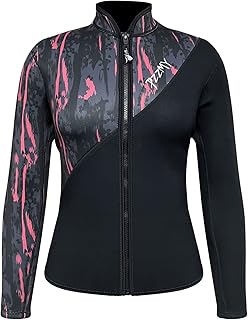
Finally, investing in appropriate clothing and footwear is crucial for a comfortable boating experience. Look for moisture-wicking and quick-drying fabrics to stay dry and comfortable. Waterproof jackets and trousers will protect against unexpected showers. Good quality non-slip footwear is vital for ensuring safety on slippery decks. Consider UV-protective clothing to shield yourself from harmful sun exposure during long days on the water.