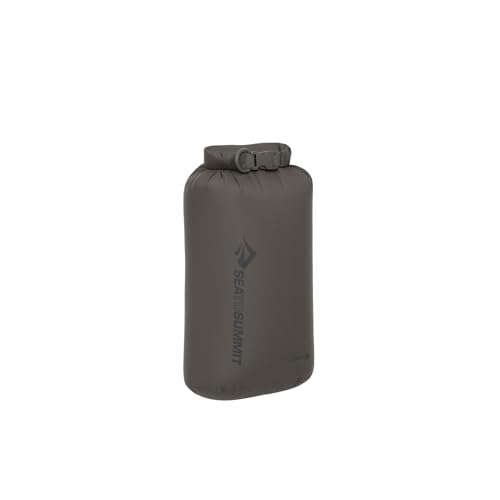
proper storage techniques for prolonging boating equipment life
Proper storage of boating equipment is essential for ensuring longevity and optimal performance. With the right techniques, you can protect your gear from wear and tear caused by environmental factors and improper handling. In this guide, we will explore effective methods for storing various types of boating equipment, helping you make the most of your investment.
Understanding the Importance of Storage
When boating season ends, many enthusiasts overlook the importance of proper storage, believing that their equipment will remain intact. However, environmental elements such as moisture, UV rays and temperature fluctuations can significantly degrade your gear. For instance, leaving a boat exposed to the elements can lead to rust, rot and other forms of deterioration. By implementing proper storage techniques, you can prevent costly repairs and replacements.
Cleaning Before Storage
Before you store any boating equipment, it is crucial to clean it thoroughly. Rinse your boat with fresh water to remove salt and dirt, which can cause corrosion over time. For sails, ensure they are dry and free from any salt or debris. Consider using a mild detergent on surfaces and follow up with a rinse. For your trailer and other metal parts, apply a protective wax or coating to shield against rust.
People Also Look For:
- DayAuro Waterproof Floating Phone Pouch with Visual Window, 21.8 cm, Large Capacity for Beach, Swimming, Hiking, Snorkelling, Kaya...
- 2 Pcs 12V/24V Car Cigarette Lighter Socket, Waterproof Cigarette Lighter Socket, Marine Grade DC Outlet Plug for Boat Motorbike Ca...
- JINSIHU SUP Pump Adapter, Air Pump Converter Multifunction SUP Valve Adapter with 4 Air Valve Nozzles Paddle Board Pump Adapter fo...
- PWC Dock Line Tow Ropes 2pcs Boat Mooring Rope with 316 Stainless Steel Clip 10mm Braided Line Marine Rope with Loops for Jet ski ...
- Inflatable Boat Cover | Heavy Duty Waterproof Protection Gear | 210D Oxford Fabric Dust-Proof Anti-UV Cover for Kayaks & Dinghies
Choosing the Right Storage Environment
The storage environment plays a significant role in the longevity of your boating equipment. Ideally, your gear should be stored in a cool, dry place, away from direct sunlight. If you have to store items outdoors, invest in high-quality tarps or covers that are UV resistant and waterproof. This will help protect against the elements while allowing for ventilation, preventing moisture buildup.
Storing Your Boat
If you own a boat, consider whether it will be stored on land or in water. For land storage, use a sturdy boat stand and ensure the boat is elevated to prevent hull damage. Additionally, remove any drain plugs to allow water to escape, preventing mildew and mould growth. If storing your boat in water, ensure it is properly maintained and monitored for any signs of growth or damage.
Organising Equipment and Accessories
Battery Care and Maintenance
Boat batteries require special attention during storage. Disconnect batteries and store them in a cool, dry place away from extreme temperatures. If possible, keep them on a trickle charger to maintain their charge during the off-season. Regularly check battery terminals for any corrosion and clean them as needed to ensure optimal performance when the boating season resumes.
Winterisation Tips
For those in regions with harsh winters, winterisation is vital. This involves draining all water systems to avoid freezing, adding antifreeze to engines and ensuring all fuel systems are stabilised. Store your boat with the bow elevated to ensure any residual water drains out effectively. Additionally, removing any soft goods such as cushions and storing them indoors will help prevent mildew and damage from moisture.
Regular Maintenance Checks
Even when your equipment is in storage, it is wise to perform regular checks. Look for signs of pests or moisture and address any issues immediately. This proactive approach will help identify potential problems before they escalate, ensuring your boating equipment remains in top condition.